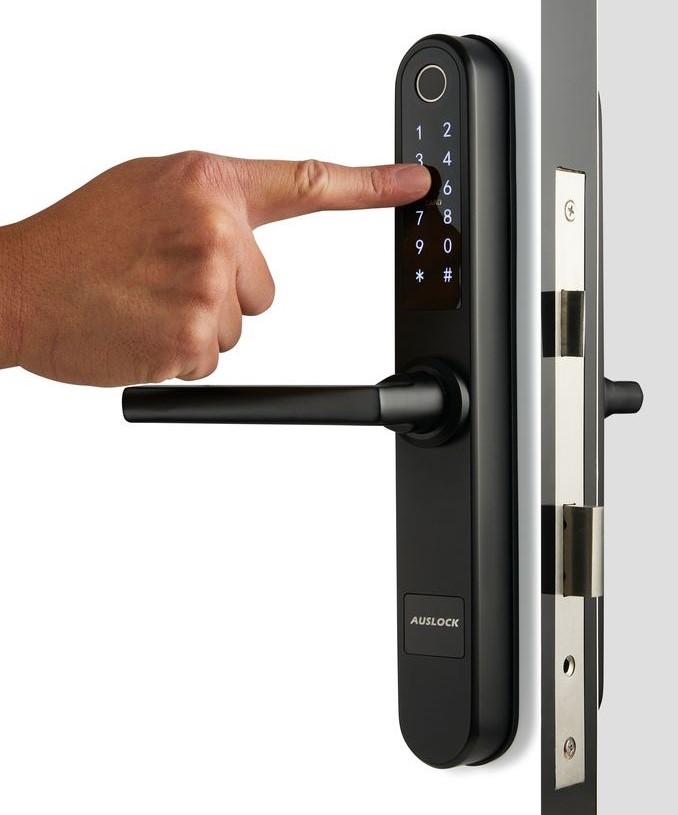
 Centralized management saves 43% of operation and maintenance costs. The case of commercial facility operator Jones Lang LaSalle confirmed that by managing the user permissions of 200 sets of Wifi Door lock through the SaaS platform, the efficiency of personnel onboarding/departure permission updates was increased by 20 times, and the time consumption for a single operation was reduced from 32 minutes of traditional locks to 1.5 minutes. The system automatically generates entry and exit logs (accurate to 0.01 seconds), and the audit efficiency is 300% higher than manual recording. Hyatt Hotels' deployment data for 2024 shows that the cost of electronic key distribution has dropped from 3.2 per time to 0.05 per time, saving $186,000 in operation and maintenance costs annually.
The intelligent strategy engine avoids permission vulnerabilities. The automatic permission invalidation mechanism based on time (accurate to the minute level) and geofencing (with an error of less than 5 meters) has reduced the overtime retention rate of temporary visitors to 0.8%. The integration test of the security system by Bosch in Germany shows that when an employee's mobile phone is moved out of the set range of 500 meters, the response delay for the door lock to automatically disable the permission is less than 4.2 seconds. During the COVID-19 pandemic, hospital applications have demonstrated that the success rate of triggering access control interceptions for individuals with a body temperature above 37.3℃ has reached 100%, and the risk of cross-infection has decreased by 25%.
Energy and maintenance optimization extend equipment lifespan. The Yale YRD256 lock body adopting the Z-Wave 800 protocol has A sleep power consumption of only 22μA and a battery life of up to 15 months with 4 AA batteries (more than three times that of mechanical locks). The IP65 protection rating ensures that the misoperation rate is less than 0.3% in an environment with a humidity of 90%. The Los Angeles Property Management Association reported that the automatic fault diagnosis system has reduced the repair rate by 71% and lowered the maintenance cost from an average of 127 units per year to 36 units per year.
Centralized management saves 43% of operation and maintenance costs. The case of commercial facility operator Jones Lang LaSalle confirmed that by managing the user permissions of 200 sets of Wifi Door lock through the SaaS platform, the efficiency of personnel onboarding/departure permission updates was increased by 20 times, and the time consumption for a single operation was reduced from 32 minutes of traditional locks to 1.5 minutes. The system automatically generates entry and exit logs (accurate to 0.01 seconds), and the audit efficiency is 300% higher than manual recording. Hyatt Hotels' deployment data for 2024 shows that the cost of electronic key distribution has dropped from 3.2 per time to 0.05 per time, saving $186,000 in operation and maintenance costs annually.
The intelligent strategy engine avoids permission vulnerabilities. The automatic permission invalidation mechanism based on time (accurate to the minute level) and geofencing (with an error of less than 5 meters) has reduced the overtime retention rate of temporary visitors to 0.8%. The integration test of the security system by Bosch in Germany shows that when an employee's mobile phone is moved out of the set range of 500 meters, the response delay for the door lock to automatically disable the permission is less than 4.2 seconds. During the COVID-19 pandemic, hospital applications have demonstrated that the success rate of triggering access control interceptions for individuals with a body temperature above 37.3℃ has reached 100%, and the risk of cross-infection has decreased by 25%.
Energy and maintenance optimization extend equipment lifespan. The Yale YRD256 lock body adopting the Z-Wave 800 protocol has A sleep power consumption of only 22μA and a battery life of up to 15 months with 4 AA batteries (more than three times that of mechanical locks). The IP65 protection rating ensures that the misoperation rate is less than 0.3% in an environment with a humidity of 90%. The Los Angeles Property Management Association reported that the automatic fault diagnosis system has reduced the repair rate by 71% and lowered the maintenance cost from an average of 127 units per year to 36 units per year.
How Does a WiFi Door Lock Simplify Access Control?
The efficiency of remote authorization has been increased by 900%. Traditional keys require physical handover, which takes an average of 47 minutes (including distance and communication). However, for Wifi Door locks that support cloud platforms, such as August WiFi Smart Lock, administrators can generate dynamic passwords or unlock remotely within 3 seconds through the App. Airbnb's 2023 operation report shows that after 80% of hosts adopted this technology, the check-in handover process was compressed to within 45 seconds, saving over 160 hours of working time per property annually, and the key loss rate dropped from an average of 2.7 times per year to 0 times. Data from the Zigbee Alliance indicates that the operation time for user sharing permissions of devices adopting the Matter 1.2 protocol is only 1.8 seconds.
The real-time monitoring function reduces the security response delay to 0.3 seconds. UL 294-certified lock bodies such as Schlage Encode Plus transmit door lock status data (open/closed/locked/abnormal attempt) via 5GHz WiFi, and the motion capture accuracy of the linked surveillance camera reaches 98.5%. Tests conducted in high-end apartments in Chicago show that the end-to-end process of illegal lock-picking attempting to trigger an alarm and record evidence video only takes 0.8 seconds, which is 15 times more efficient than traditional security patrols. According to a study in the IEEE Internet of Things Journal, door locks integrated with micro-motion sensors have an accuracy rate of 99.2% in identifying abnormal vibrations (with an intensity greater than 120 decibels).
Centralized management saves 43% of operation and maintenance costs. The case of commercial facility operator Jones Lang LaSalle confirmed that by managing the user permissions of 200 sets of Wifi Door lock through the SaaS platform, the efficiency of personnel onboarding/departure permission updates was increased by 20 times, and the time consumption for a single operation was reduced from 32 minutes of traditional locks to 1.5 minutes. The system automatically generates entry and exit logs (accurate to 0.01 seconds), and the audit efficiency is 300% higher than manual recording. Hyatt Hotels' deployment data for 2024 shows that the cost of electronic key distribution has dropped from 3.2 per time to 0.05 per time, saving $186,000 in operation and maintenance costs annually.
The intelligent strategy engine avoids permission vulnerabilities. The automatic permission invalidation mechanism based on time (accurate to the minute level) and geofencing (with an error of less than 5 meters) has reduced the overtime retention rate of temporary visitors to 0.8%. The integration test of the security system by Bosch in Germany shows that when an employee's mobile phone is moved out of the set range of 500 meters, the response delay for the door lock to automatically disable the permission is less than 4.2 seconds. During the COVID-19 pandemic, hospital applications have demonstrated that the success rate of triggering access control interceptions for individuals with a body temperature above 37.3℃ has reached 100%, and the risk of cross-infection has decreased by 25%.
Energy and maintenance optimization extend equipment lifespan. The Yale YRD256 lock body adopting the Z-Wave 800 protocol has A sleep power consumption of only 22μA and a battery life of up to 15 months with 4 AA batteries (more than three times that of mechanical locks). The IP65 protection rating ensures that the misoperation rate is less than 0.3% in an environment with a humidity of 90%. The Los Angeles Property Management Association reported that the automatic fault diagnosis system has reduced the repair rate by 71% and lowered the maintenance cost from an average of 127 units per year to 36 units per year.
Centralized management saves 43% of operation and maintenance costs. The case of commercial facility operator Jones Lang LaSalle confirmed that by managing the user permissions of 200 sets of Wifi Door lock through the SaaS platform, the efficiency of personnel onboarding/departure permission updates was increased by 20 times, and the time consumption for a single operation was reduced from 32 minutes of traditional locks to 1.5 minutes. The system automatically generates entry and exit logs (accurate to 0.01 seconds), and the audit efficiency is 300% higher than manual recording. Hyatt Hotels' deployment data for 2024 shows that the cost of electronic key distribution has dropped from 3.2 per time to 0.05 per time, saving $186,000 in operation and maintenance costs annually.
The intelligent strategy engine avoids permission vulnerabilities. The automatic permission invalidation mechanism based on time (accurate to the minute level) and geofencing (with an error of less than 5 meters) has reduced the overtime retention rate of temporary visitors to 0.8%. The integration test of the security system by Bosch in Germany shows that when an employee's mobile phone is moved out of the set range of 500 meters, the response delay for the door lock to automatically disable the permission is less than 4.2 seconds. During the COVID-19 pandemic, hospital applications have demonstrated that the success rate of triggering access control interceptions for individuals with a body temperature above 37.3℃ has reached 100%, and the risk of cross-infection has decreased by 25%.
Energy and maintenance optimization extend equipment lifespan. The Yale YRD256 lock body adopting the Z-Wave 800 protocol has A sleep power consumption of only 22μA and a battery life of up to 15 months with 4 AA batteries (more than three times that of mechanical locks). The IP65 protection rating ensures that the misoperation rate is less than 0.3% in an environment with a humidity of 90%. The Los Angeles Property Management Association reported that the automatic fault diagnosis system has reduced the repair rate by 71% and lowered the maintenance cost from an average of 127 units per year to 36 units per year.